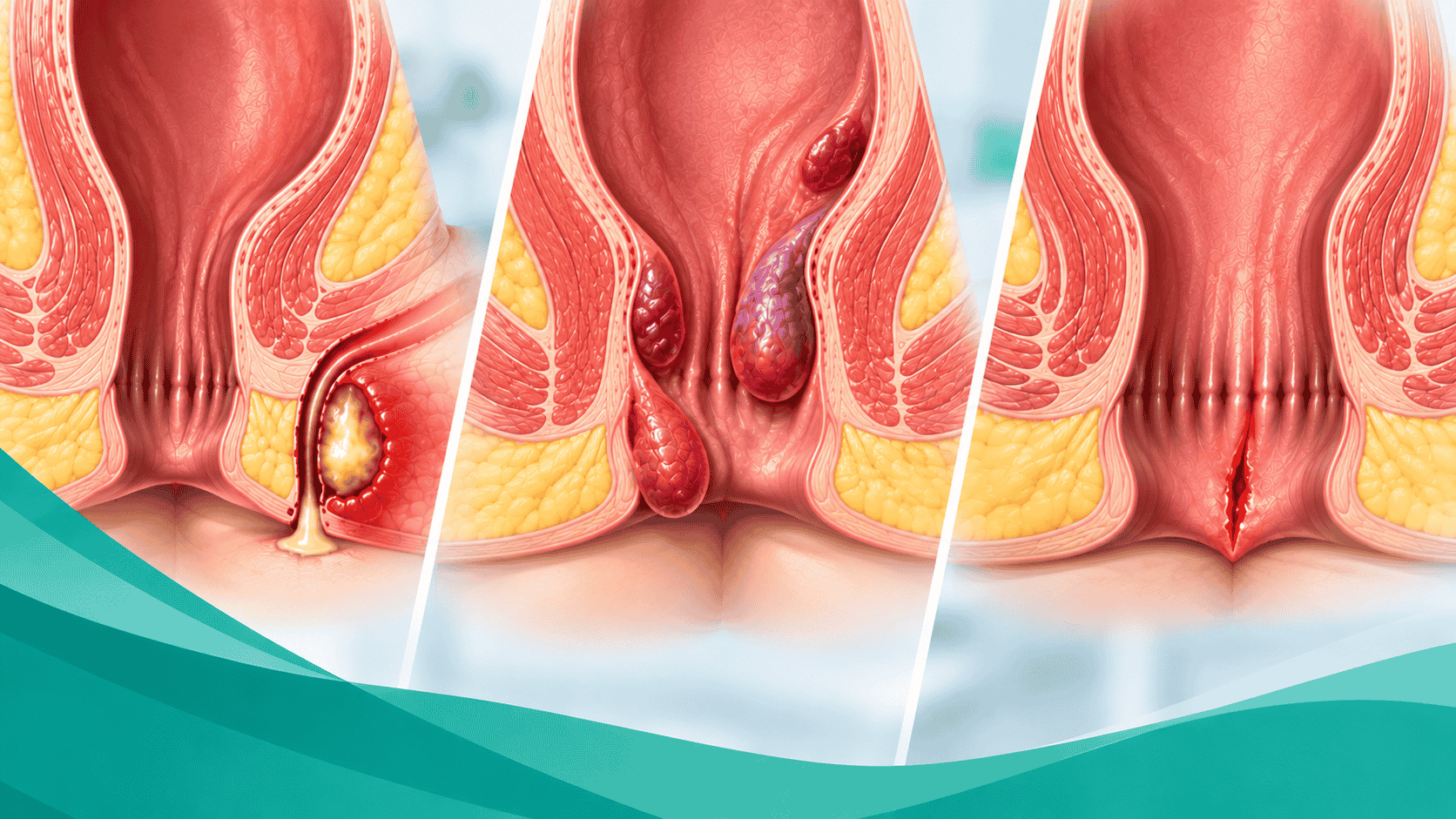
Fistula, piles and fissure are three different anorectal conditions that can affect the area around the anus. Because some symptoms can overlap, people may sometimes confuse one condition with another. Understanding the differences between fistula, piles and fissure can help you recognize symptoms and understand why proper medical evaluation is important. What Is Fistula? An […]
Fistula, piles and fissure are three different anorectal conditions that can affect the area around the anus. Because some symptoms can overlap, people may sometimes confuse one condition with another.
Understanding the differences between fistula, piles and fissure can help you recognize symptoms and understand why proper medical evaluation is important.
What Is Fistula?
An anal fistula is an abnormal tunnel or passage that develops between the anal canal and nearby skin.
It commonly develops following an infection or anal abscess. When an abscess drains but the abnormal passage does not heal completely, a fistula may remain.
Common symptoms include:
- Repeated pus or fluid discharge
- Swelling around the anus
- Pain or discomfort
- Skin irritation
- A small opening near the anus
- Repeated infections or abscesses
Anal fistulas usually require medical evaluation and often require a procedure or surgery because they do not generally heal on their own. :chatgpt-content-reference{index=”5″}
What Are Piles?
Piles, also called haemorrhoids, are swollen blood vessels and supporting tissues around the anus or lower rectum.
They can be internal or external and may cause:
- Bleeding during bowel movements
- Itching
- Swelling
- Discomfort
- A lump around the anus
The treatment of piles depends on the type and severity of the condition.
Learn more about Piles Treatment.
What Is an Anal Fissure?
An anal fissure is a small tear or crack in the delicate tissue lining the anus.
It commonly causes sharp pain during bowel movements and burning or discomfort afterwards.
Common symptoms include:
- Sharp pain while passing stool
- Burning pain after bowel movements
- Bright-red bleeding
- Itching or irritation
- Discomfort around the anus
Learn more about Fissure Treatment.
Fistula vs Piles vs Fissure
| Feature | Fistula | Piles | Fissure |
|---|---|---|---|
| What is it? | An abnormal tunnel or passage | Swollen blood vessels and supporting tissues | A tear or crack in anal tissue |
| Common symptom | Discharge and recurrent swelling | Bleeding, itching or swelling | Sharp pain and burning |
| Discharge | Commonly pus or fluid | Not a typical defining symptom | Not a typical defining symptom |
| Bleeding | May occur | Common symptom | May occur |
| Typical association | Often follows an abscess | Swollen haemorrhoidal tissue | Often associated with trauma from hard stools or bowel movements |
| Treatment | May require a procedure or surgery | Depends on severity | Depends on duration and severity |
How Can You Tell the Difference?
Symptoms can provide clues, but they cannot always establish the diagnosis.
Repeated Pus or Fluid Discharge
Repeated discharge from a small opening near the anus may occur with an anal fistula.
Bleeding Without Persistent Discharge
Bleeding can occur with piles or fissure, although rectal bleeding can have several causes and should not automatically be attributed to either condition.
Sharp Pain During Bowel Movements
Sharp or burning pain during or after bowel movements is commonly associated with an anal fissure.
Lump or Swelling
A lump or swelling can occur with piles, an abscess or other anorectal conditions. Persistent or recurrent swelling should be medically evaluated.
Can You Have More Than One Condition?
Yes. Symptoms from different anorectal conditions can overlap, and a person may have more than one condition at the same time.
For example, constipation and straining can contribute to fissure and piles, while an abscess can lead to fistula formation.
Because symptoms overlap, self-diagnosis can be unreliable.
How Are These Conditions Diagnosed?
A doctor may evaluate:
- Your symptoms
- Medical history
- Bowel habits
- History of constipation or infection
- Presence of swelling or discharge
- The affected area through an appropriate examination
For suspected fistula, additional investigations such as imaging may sometimes be recommended depending on the complexity of the condition. :chatgpt-content-reference{index=”6″}
Treatment Differences
Fistula Treatment
Anal fistula treatment may include procedures such as fistulotomy, seton treatment, LIFT or other approaches depending on the fistula’s location and complexity.
Read more about Fistula Treatment.
Piles Treatment
Mild piles may sometimes be managed with dietary and bowel-habit changes, while persistent or advanced cases may require medical or procedural treatment.
Read more about Piles Treatment.
Fissure Treatment
Recent fissures may improve with bowel management and medical treatment. Persistent or recurrent fissures may require additional treatment depending on the individual condition.
Read more about Fissure Treatment.
When Should You See a Doctor?
You should seek medical evaluation if you experience:
- Persistent or severe anal pain
- Repeated bleeding
- Recurring swelling
- Repeated pus or fluid discharge
- A wound or opening that does not heal
- Repeated abscesses or infections
- Symptoms that keep returning
Anal pain and bleeding can have several possible causes, so it is better to have persistent symptoms evaluated rather than trying to diagnose the condition yourself. :chatgpt-content-reference{index=”7″}
Fistula, Piles or Fissure: Why Proper Diagnosis Matters
Although these conditions affect the same general area, their underlying causes and treatment approaches can be very different.
A fistula may require a procedure to treat the abnormal tract, while piles and fissure may sometimes be managed initially with conservative or medical treatment depending on their severity.
Getting the correct diagnosis is therefore an important first step toward choosing an appropriate treatment.
Fistula, Piles and Fissure Treatment at Janta Piles Clinic
Janta Piles Clinic provides evaluation and treatment options for anorectal conditions including piles, fissure and fistula.
If you are experiencing persistent pain, bleeding, swelling or discharge, consult a qualified doctor for an appropriate evaluation.
Fistula Treatment | Piles Treatment | Fissure Treatment
Frequently Asked Questions
Is fistula the same as piles?
No. A fistula is an abnormal tunnel or passage, while piles are swollen blood vessels and supporting tissues around the anus or lower rectum.
Is fistula the same as fissure?
No. A fissure is a tear or crack in the anal tissue, while a fistula is an abnormal passage between the anal canal and nearby skin.
Which condition causes pus discharge?
Repeated pus or fluid discharge can occur with an anal fistula or abscess. Other conditions may also cause discharge, so persistent symptoms should be evaluated by a doctor.
Which condition causes sharp pain while passing stool?
Sharp pain during bowel movements is commonly associated with an anal fissure, although anal pain can have several causes.
Can piles cause a fistula?
Piles and fistula are different conditions. An anal fistula commonly develops following an abscess or infection rather than directly from piles.
Can fistula heal without surgery?
Established anal fistulas usually require medical or surgical treatment because they do not generally heal completely on their own. The appropriate treatment depends on the fistula.
When should I see a doctor?
Consult a qualified doctor if you have persistent pain, repeated bleeding, recurring swelling, pus or fluid discharge, recurrent infections or a wound that does not heal.