ABOUT THE TREATMENT
Fistula Treatment
What Is Anal Fistula?
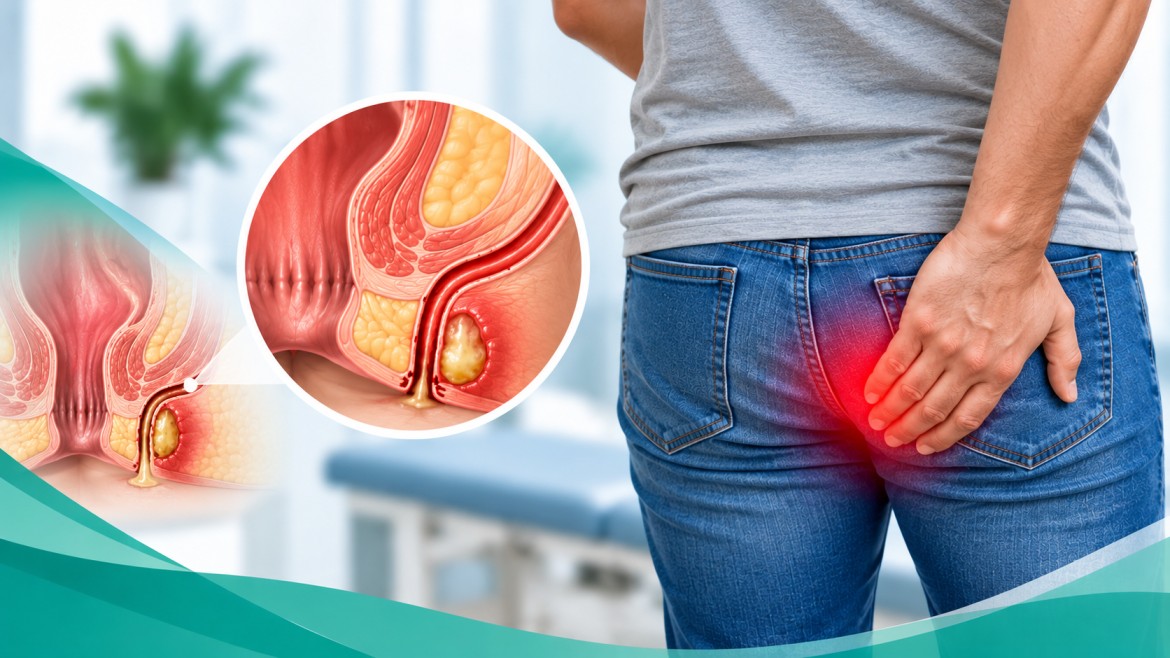
An anal fistula is an abnormal tunnel or passage that develops between the anal canal and the surrounding skin.
It commonly develops after an infection or an anal abscess. When an abscess does not heal completely, a passage may remain between the affected area and the skin. This can result in recurring discharge, swelling, irritation or infection. Jantapiles Clinic
Unlike a temporary infection, an established fistula may continue to remain even when symptoms temporarily improve.
SYMPTOMS
Symptoms
Symptoms can vary depending on the location and complexity of the fistula.
Common symptoms include:
- Repeated pus or fluid discharge
- Swelling around the anus
- Pain or discomfort
- Redness or irritation
- A small opening or hole in the skin
- Recurrent swelling
- Foul-smelling discharge
- Skin irritation
- Repeated episodes of infection or abscess
- A wound or opening that does not heal
CAUSES
Causes
Anal Abscess or Infection
An anal abscess is a collection of pus caused by infection. If the infection does not heal completely, it may leave behind an abnormal passage that develops into a fistula.Recurrent Infection
Repeated infections in the same area can contribute to fistula formation.Blocked Anal Glands
Infection involving the anal glands can result in an abscess and may subsequently lead to fistula formation.Inflammatory Conditions
Certain inflammatory conditions affecting the intestine or surrounding tissues may increase the risk of developing a fistula.Previous Surgery or Injury
Previous surgery, injury or procedures involving the anal region can sometimes contribute to the development of an abnormal passage.Poor or Delayed Wound Healing
When an affected area does not heal properly, a fistula may persist or develop. The current treatment page specifically lists anal abscess, blocked anal glands, inflammatory conditions, previous surgery, recurrent infection and poor wound healing among potential causes/risk factors.TREATMENT OPTIONS
Treatment Options
Treatment depends on the location, size, complexity and underlying cause of the fistula.
The current Janta Piles Clinic treatment page presents the following treatment options.
Laser Fistula Treatment
Laser technology may be used to treat the fistula tract with the goal of minimizing damage to surrounding tissue. The suitability of laser treatment depends on the individual fistula and its anatomy.Fistulotomy
Fistulotomy is a surgical procedure used for selected fistula cases. The fistula tract is opened so that it can heal from the inside out. The procedure is generally considered according to the location and complexity of the fistula.Seton Treatment
A seton is a specialized technique that may be used for certain fistulas, particularly when managing the fistula requires consideration of the surrounding anal sphincter muscles. The appropriate approach depends on the individual case.LIFT Procedure
LIFT — Ligation of the Intersphincteric Fistula Tract — is a sphincter-preserving technique used for selected fistula cases. The suitability of the procedure depends on the fistula's anatomy and complexity.Fibrin Glue Treatment
Fibrin glue is a minimally invasive approach that uses a medical sealant to close the fistula tract and support healing. It may be considered in selected patients.Medical & Supportive Care
When infection or an abscess is present, treatment may initially focus on controlling the infection and managing the abscess. Depending on the situation, the doctor may recommend drainage, medicines or other supportive measures. Treatment should be selected after proper evaluation rather than based only on symptoms.PROCEDURE